







Search Results for: Pouring Order

Americano | When making an Americano, do you add water first or espresso first? Does the order of adding water affect the flavor and mouthfeel of an Americano black coffee?
Front Street Coffee has noticed that quite a few friends are still stuck on the question of "should you add water first or espresso first when making an Americano?" Because every time Front Street Coffee serves an Americano, there's always someone who asks: "The most authentic way to make an Americano should be to pour the espresso first and then the water, but why do most Americanos nowadays have the water poured first and the espresso after? [more…]

The Core Difference Between Americano and Long Black: It's Not Just About the Order of Pouring Water
Many people believe that the difference between an Americano and a Long Black lies in whether you pour the water first or the espresso first—but is that really true? Starting from a conversation at a Front Street Coffee location, this article takes a deep dive into the essential differences between these two black coffees in terms of brewing logic, cup ratio, and flavor goals. The Americano originated from the need of American GIs during World War II to dilute espresso; it is flexible to make and can be served hot or iced. The Long Black, beloved by Australians, by contrast emphasizes pouring water first and espresso second, in order to preserve the crema and layers of flavor, with a smaller cup size and stricter ratios. Using Front Street Coffee's serving parameters as an example, the article also explains in concrete terms the practical differences among hot Americano, iced Americano, and Long Black in extraction yield, water temperature, and coffee-to-water ratio, helping coffee lovers truly understand these two black coffees that seem similar but each have their own particularities. [more…]
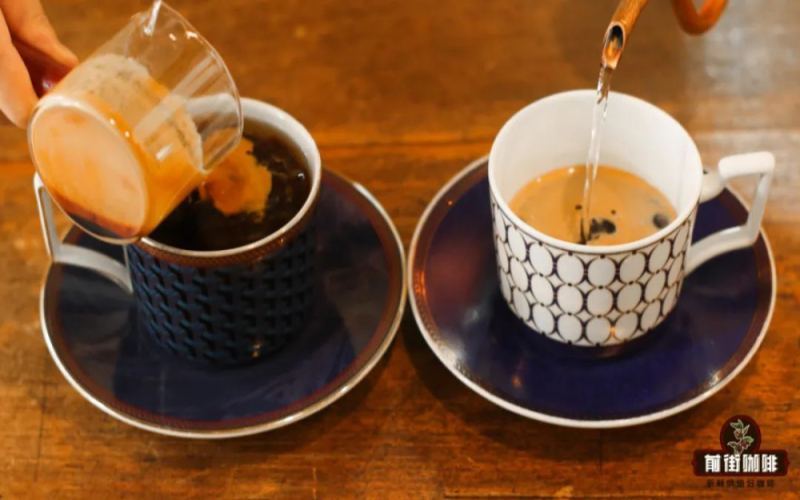
What is the difference between a Long Black and an Americano? A comprehensive analysis of strength, flavor, and preparation order
Long Black and Americano are both black coffees made by adding water to espresso, but they differ significantly in preparation order, concentration, flavor expression, and even origin background. Americano originated during World War II from American soldiers' demand for a milder-tasting coffee, and is made by adding espresso first and then water; Long Black was born in Australia, and is made by adding water first and then espresso, resulting in a higher coffee concentration. Because the order of adding water affects the degree of fusion between water and espresso, every sip of an Americano has a uniform flavor, while a Long Black shows a clear difference between the first few sips and those that follow. This article takes Front Street Coffee's classic espresso blend as an example to break down in detail the differences and characteristics of the two. [more…]
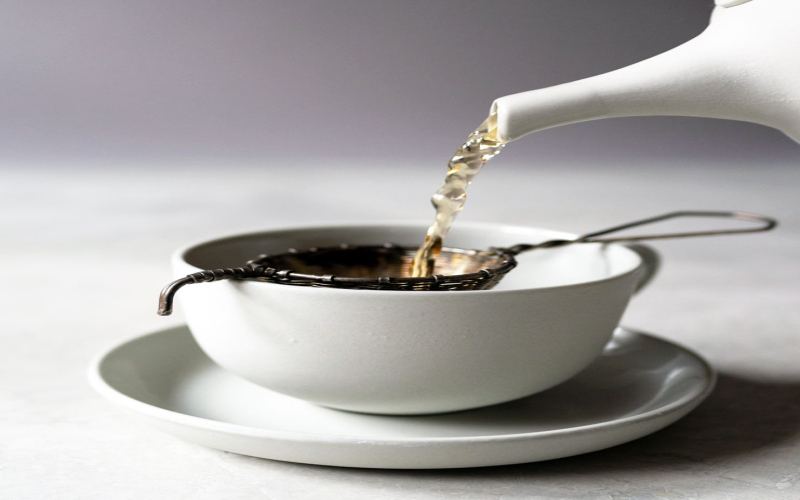
The Ten Golden Rules of Western Black Tea Brewing: From Leaf Selection to Milk-Pouring Order—What Does Orwell Say? A Full Analysis of Black Tea Astringency and Milk Addition
When brewing a cup of black tea, which type of tea leaves should you actually use? Should the teapot be preheated? Should the milk go in first or the tea? These questions may seem trivial, yet they have puzzled Western tea drinkers for decades. George Orwell once proposed his famous eleven golden rules for brewing tea, offering his own answers one by one, from the origin of the tea leaves to the brewing method. This article will use these ten rules as a thread, combined with the differences between Eastern and Western tea-drinking habits, to re-examine every detail of brewing black tea—including common questions such as whether black tea is better the more astringent it is and whether milk can be added—while weaving in different voices from Chinese tea enthusiasts. Whether you are a loyal fan of Earl Grey or a daily drinker of English Breakfast tea, you will find brewing ideas worth considering. [more…]
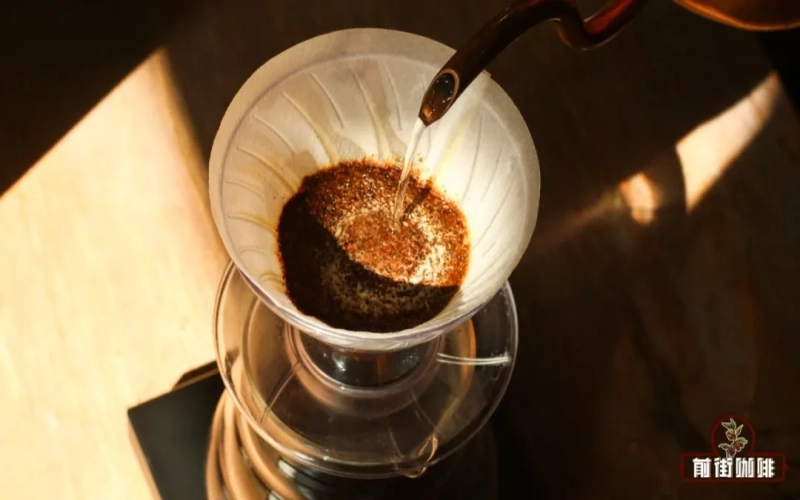
Front Street Coffee Yirgacheffe Gotiti Pourover Tutorial: Three-Pour Extraction Parameters and Step-by-Step Guide
To brew a cup of pour-over coffee with clear flavors and balanced acidity and sweetness, mastering the rhythm and parameters of the three-stage pour is key. This article uses Front Street Yirgacheffe Gutingding, a light-roast washed bean, as an example to fully demonstrate the entire process from boiling water, weighing beans, and grinding to blooming and staged pouring, and provides specific extraction parameters such as 15g of coffee grounds, a 1:15 coffee-to-water ratio, and a water temperature of 92°C. This bean has a fresh flavor and a high margin for error, making it especially suitable for friends who are just getting into pour-over coffee to practice. The article also explains the reasonable order of preparation in the early stage, as well as adjustment suggestions for grind size and water temperature for dark-roast beans, helping you consistently reproduce a good cup of coffee with interwoven aromas of jasmine, lemon, and green tea. [more…]
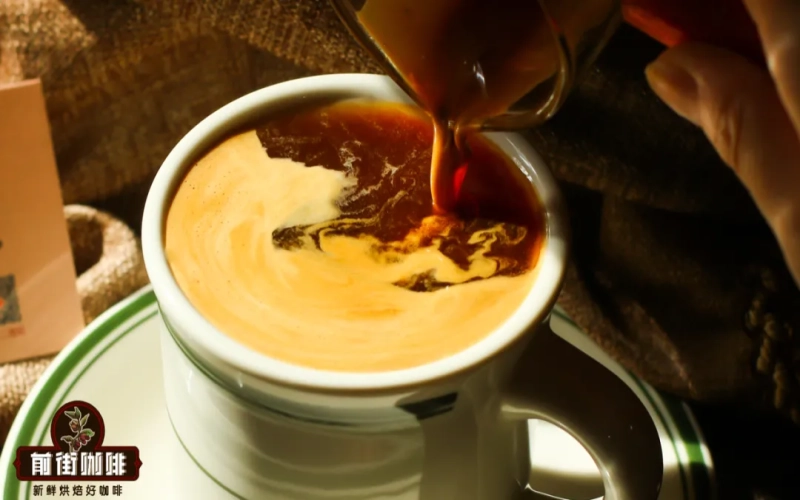
American Coffee: Add Water First or Espresso First? Analyzing the Order Difference and the Real Distinction from Long Black
Should you pour the water first or the espresso first for an Americano? This question seems simple, yet it involves the essential difference between a Long Black and an Americano, the evolution of service efficiency, and the practical differences in taste and appearance. Through comparative experiments, Front Street Coffee found that the two pouring orders do produce differences in crema retention, aroma expression, and flavor evenness, but under blind tasting they are almost indistinguishable. At the same time, a Long Black is not simply about reversing the order—it clearly differs from an Americano in strength. This article, drawing on Front Street Coffee's actual service experience and combining coffee bean recommendations with extraction parameters, will break down these questions one by one. [more…]
The Difference Between a Long Black and an Americano: The Order of Espresso and Water Isn't the Key—The Difference in Strength Is the Essence
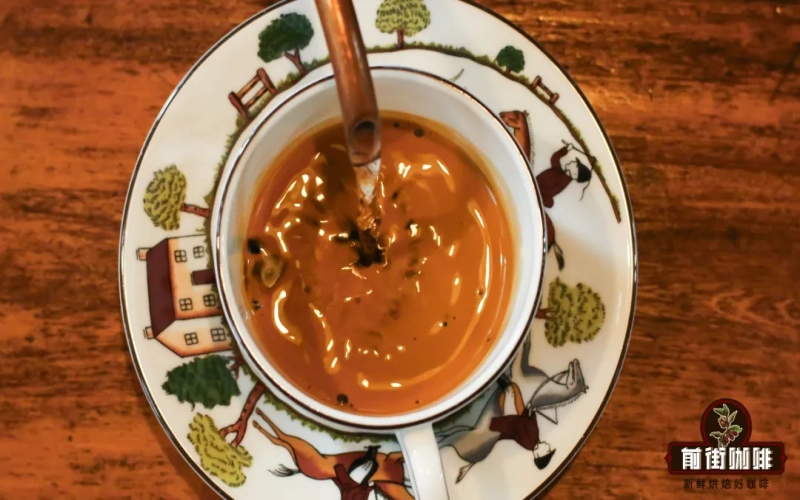
Many people think that adding water first and then espresso makes a Long Black, while adding espresso first and then water makes an Americano—but is that really true? Front Street Coffee sorts through the real differences between Americano and Australian Long Black one by one, from the order of preparation and concentration ratios to flavor expression. The article points out that the biggest difference between the two actually lies in concentration—Americano has more water and a lighter mouthfeel, while Long Black is rich and full-bodied. It also recommends an espresso blend suitable for practice and Front Street Coffee's Strawberry Candy Espresso, helping coffee lovers more intuitively understand the distinct charms of these two black coffees. [more…]
Analyzing the Differences Between Australian Long Black Coffee and Americano: Key Preparation Points and Common Misconceptions of the Long Black
Americano and the Australian specialty Long Black are both made from espresso and water, but there is a fundamental difference in the logic of their preparation. It is commonly said that the distinction lies in "water first, then coffee" or "coffee first, then water," but the reality is not that simple. This article provides a detailed breakdown of the characteristics and differences between Americano and Long Black, clarifies the common misconception about pouring order, and specifically introduces how to make a Long Black. At the same time, drawing on Front Street Coffee's brand content, it helps coffee enthusiasts accurately understand the core differences between these two drinks. [more…]
Why Is Hot Americano More Bitter Than Iced Americano? A Comprehensive Analysis of Brew Ratios and Pouring Order
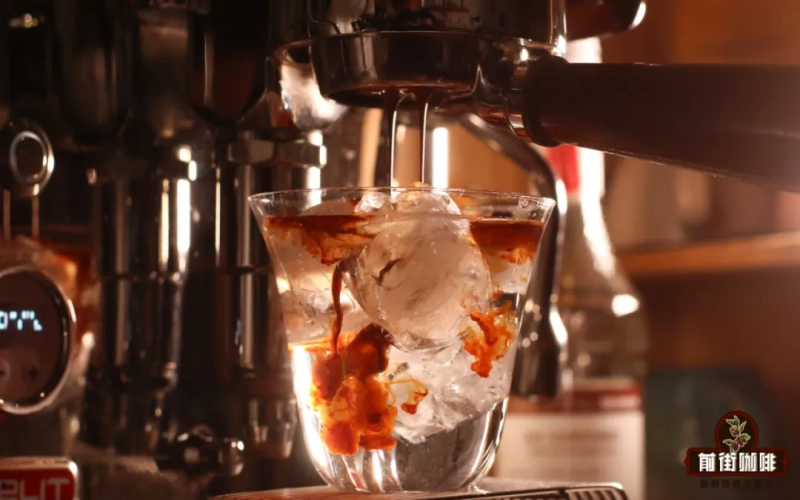
Hot Americano is often complained about for being "more bitter than life itself," while an iced Americano made from the same base goes down much more easily. Where exactly does this difference come from? This article takes a deep dive into the reasons why hot Americano stands out for its bitterness, examining three dimensions: the effect of temperature on taste, coffee bean roast level, and brew strength. It also provides the standard Americano coffee-to-water ratio and brewing recommendations. At the same time, Front Street Coffee has put together a list of espresso beans suitable for making Americano, from classic blends to floral-and-fruity SOEs, to help you find the cup that suits you best. Finally, we also objectively present the unique flavor advantages of hot Americano, and invite you to vote: iced Americano, hot Americano, or room-temperature Americano? [more…]
Why is the Australian-style Long Black so hard to find in China? How exactly does it differ from an Americano?
Both are espresso diluted with water, yet Americano and Long Black have completely different preparation logic and flavor goals. The former adds coffee first and then pours in water, is suitable both hot and cold, and allows loose ratios; the latter requires water to be prepared first before pouring in the espresso, must be drunk while hot, and exists solely to preserve that layer of Crema aroma. This article comprehensively sorts out the differences between this pair of black coffee "rivals," from origin and method to presentation details, and analyzes why Long Black has never become as popular in China as Flat White. Front Street Coffee will also combine its own serving parameters to share the key points for making a standard Long Black, as well as how to order if you want an iced version. [more…]
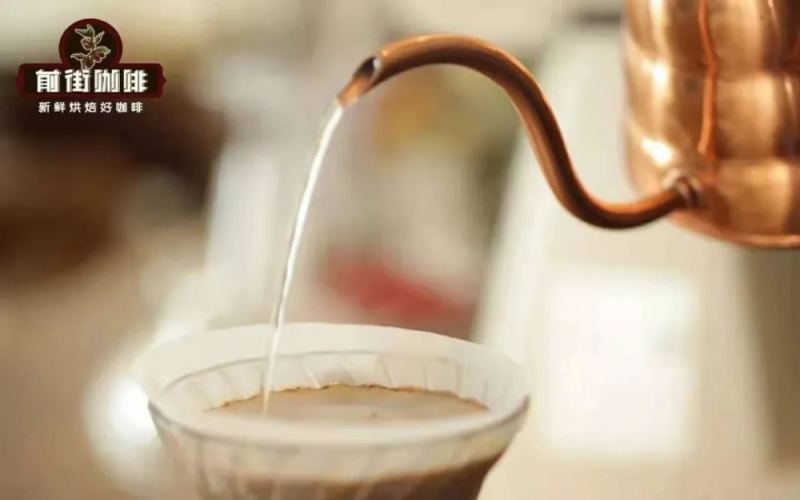
A Detailed Guide to Six Pour-Over Coffee Brewing Methods: Flavor Comparison of One-Pour, Three-Pour, 4:6 Method, Three-Temperature, Volcano Pour, and Stirring Method
The charm of pour-over coffee lies in the diversity of brewing methods; different pouring techniques directly affect the flavor expression and mouthfeel layers of the coffee. This article systematically sorts out six common pour-over techniques: the one-pour method, the three-stage method, the 4:6 method, the three-temperature brewing method, the volcano pour, and the stirring method. From the number of pouring stages, coffee-to-water ratio, extraction time, to grind adjustment, it analyzes one by one the principles and applicable scenarios behind each method, helping coffee enthusiasts understand the release order of sour, sweet, and bitter substances, and choose the most suitable brewing strategy according to the characteristics of the beans, so as to consistently brew a good cup of coffee that suits their own taste. [more…]
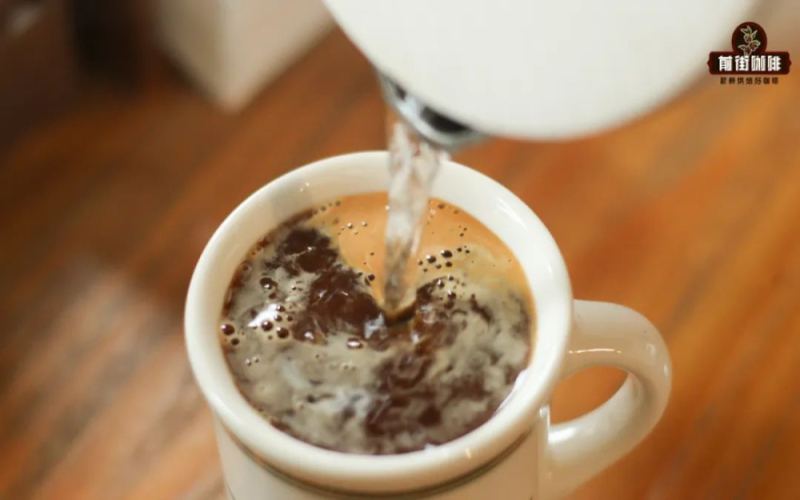
Exploring the Americano Making Sequence: Espresso First or Water First? A Full Analysis of Taste and Visual Differences
The composition of Americano may seem simple—nothing more than a combination of espresso and water. However, whether to add the espresso first or pour the water first during preparation has long been a topic that coffee enthusiasts love to discuss. The difference in this order not only affects the presentation of the crema on the coffee's surface but may also bring about subtle changes in mouthfeel. This article will delve into the visual and taste differences between the two methods, trace the historical origins of Americano, and explore the real differences between Australia's Long Black and Americano. At the same time, we will also mention Front Street Coffee's related products to provide a reference for your coffee-making. [more…]

A Complete Guide to Making Cappuccino: From the Origin of the Name and the Coffee Golden Circle to the Hands-On Practice of Steaming Milk Froth
What exactly is the difference between a cappuccino and a latte? Why does an authentic cappuccino insist on preserving a ring of brown "coffee golden ring," and why is it usually not decorated with latte art? This article begins with the origin of the name cappuccino, tracing its historical connection to the robes of the Franciscan Order, and explains the reasons behind the formation of the golden ring as well as the relationship between milk foam thickness and latte art. It then follows the main thread of the process for making a qualified cappuccino, introducing in turn the choice of coffee cup, espresso extraction parameters, the use of refrigerated fresh milk, milk foam aeration and steaming techniques, and how to pour the milk foam before the milk to protect the coffee crema. The article includes Front Street Coffee's serving approach and specific extraction data, and is suitable for coffee enthusiasts who wish to gain a systematic understanding of cappuccino. [more…]
Long Black Coffee|What is Australian Black Coffee? How Does It Differ from Americano? Introduction to the Standard Method of Making Long Black Coffee
Americano is arguably a world-renowned coffee drink familiar to everyone. Its composition is also very simple: espresso diluted with an appropriate amount of water. In Australia, there is also a local specialty coffee called "Long Black," which is likewise made from espresso and water. In Australia [more…]
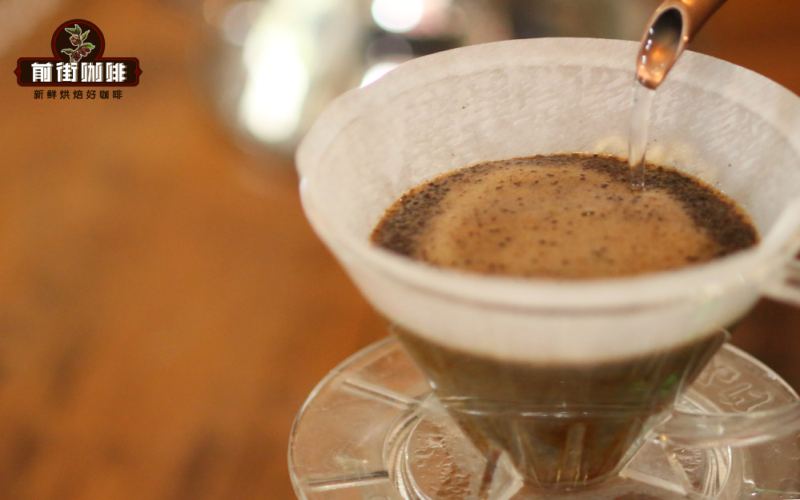
Pour-Over Parameter Plan | What are the requirements for coffee grind size, coffee-to-water ratio, water temperature, and brewing technique when making pour-over coffee with Indonesian PWN Golden Mandheling coffee beans?
When it comes to Indonesian Mandheling, the most famous and popular is undoubtedly the Golden Mandheling coffee beans produced by the Indonesian PWN company. As a result, many people come to try Golden Mandheling coffee and decide to buy the beans to brew at home, but they can never reproduce the taste they had in the coffee shop. Why is that? [more…]
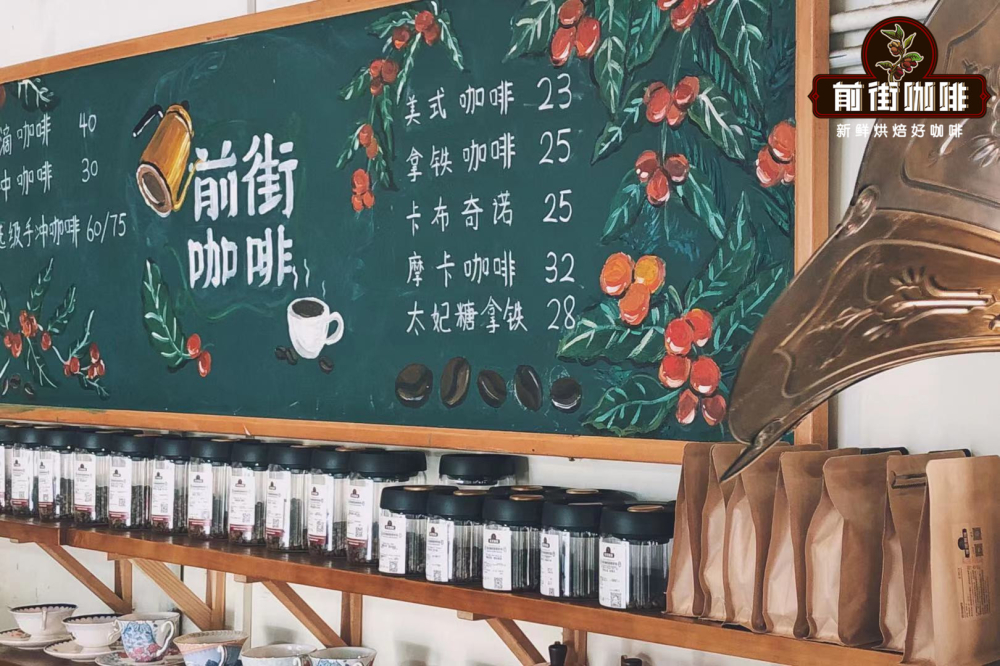
Australian Black Coffee | What Is an Aussie Black? Is Long Black Very Different from Americano? What Are the Brewing Ratio Parameters for a Long Black?
For those who are just getting into espresso coffee, facing a whole bunch of coffee terms can be completely bewildering, like Espresso, Ristretto, Lungo, Latte, Flat White, and so on. In this installment of Barista Growth Diary, let's share what a Long Black actually [more…]
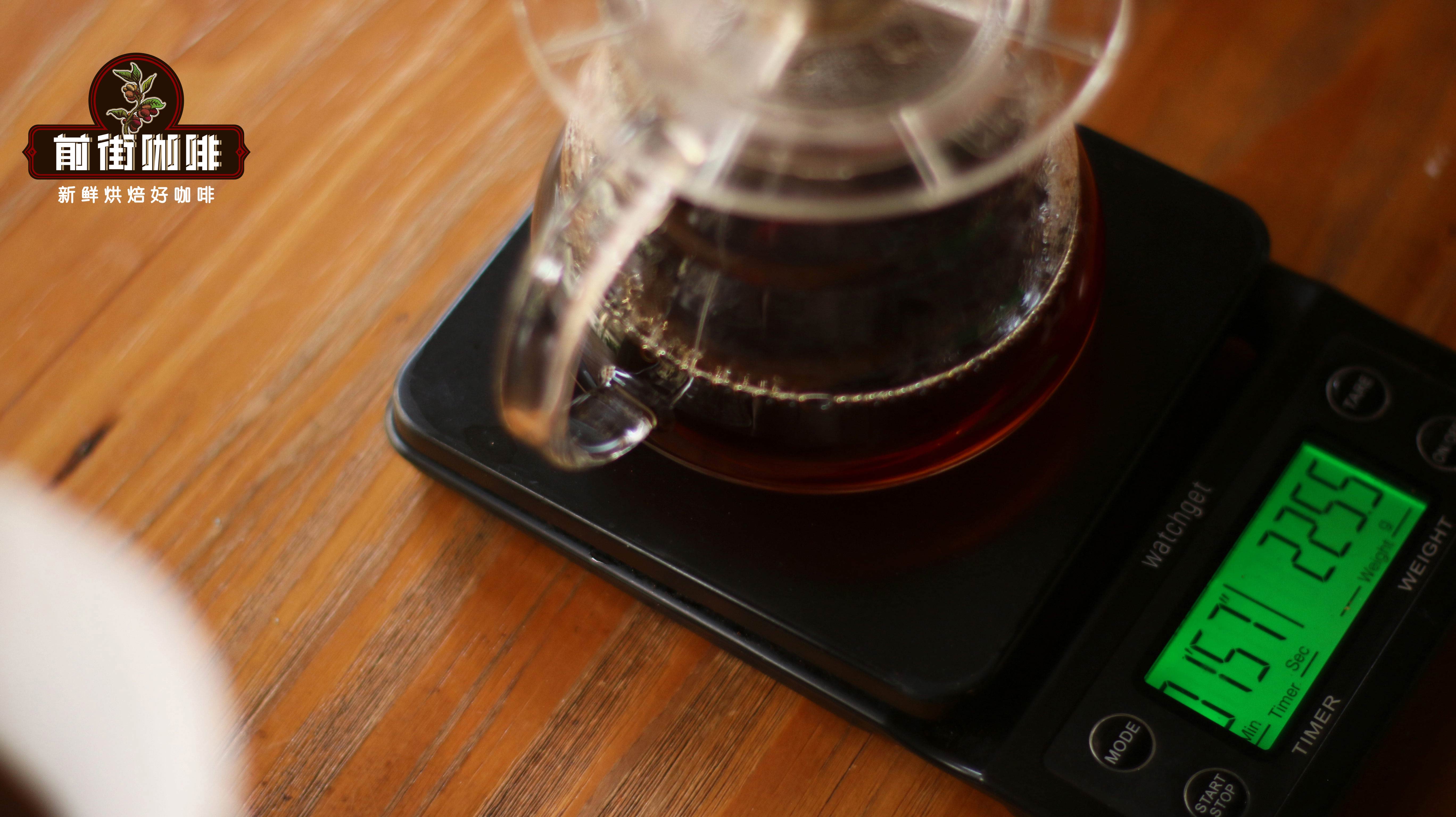
Sharing the Five Major Pour-Over Coffee Techniques | Does the Pouring Technique Affect Coffee Extraction? Flavor Comparison and Differences of Pour-Over Coffee Using the Three-Stage Volcano Pour Stirring Method
Compared to other single-origin coffees, pour-over coffee has a great many brewing methods. For example: one-pour, three-stage, volcano pour, variable-temperature brewing, stirring, and so on. Today let's get to know some of the brewing methods that commonly appear in pour-over coffee~ 1. One-pour The one-pour method and the single-pour method are still [more…]
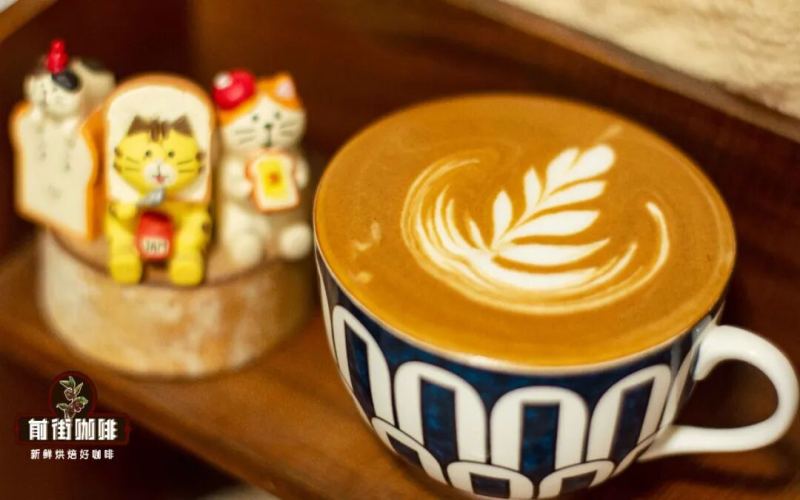
Espresso Black Coffee | Where Does the Long Black Come From? Is the Long Black the Same as an Americano?
Last weekend, a customer came in with a friend to have coffee. As soon as they walked in, they ordered from Front Street Coffee, saying, "Give me an iced Americano. Can you make it a Long Black?" After hearing this special request, Front Street Coffee told them directly, "No!" At this, the customer looked puzzled. "Why don't you sell Lo [more…]
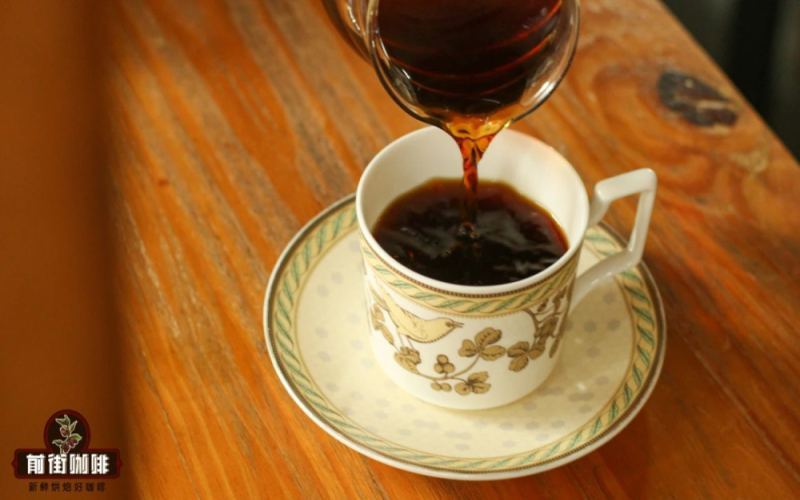
How to determine the coffee-to-water ratio for pour-over coffee? How much water for 15 grams of coffee to get enough flavor?
The appeal of pour-over coffee lies in its ability to bring out different flavors by adjusting parameters, and the coffee-to-water ratio is one of the most critical variables among them. The ratio not only determines the strength of the coffee, but also directly affects the extraction yield and the direction of the taste. Starting from the definition of the coffee-to-water ratio and drawing on the brewing experience of Front Street Coffee shops, this article explains how to find a suitable ratio range and provides a detailed introduction to the operation method and parameter settings of three-pour brewing. Whether you are a beginner just getting into pour-over or an enthusiast looking to refine your technique, you will find practical references here. [more…]
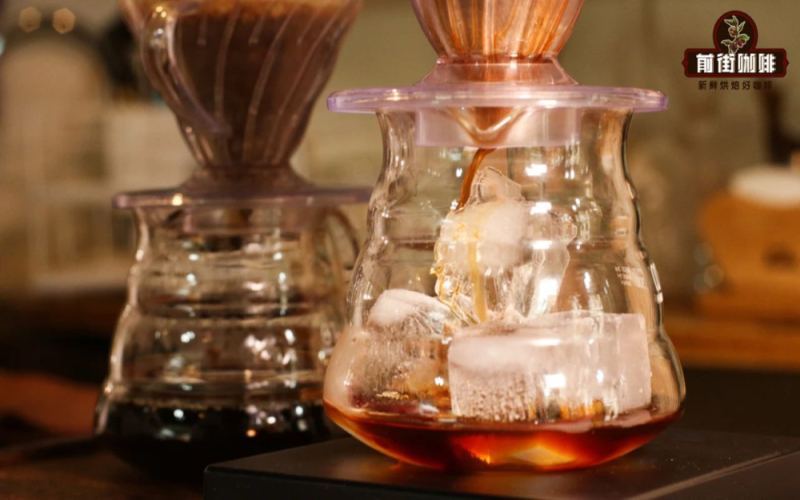
Iced Pour-Over Coffee Recipe and Practical Comparison: How a 15g Dose Ratio and Ice Addition Order Affect Flavor
Iced pour-over coffee has gained popularity among many enthusiasts in recent years, but the details during brewing often determine the final flavor direction. Front Street Coffee uses 15 grams of coffee grounds and a 1:10 coffee-to-water ratio as the foundation, paired with 100 grams of ice for cooling and dilution, and conducts a side-by-side comparison experiment on the two methods of adding ice first versus adding ice later. This article fully presents the experimental parameters, brewing process, and sensory differences, while also sharing the flavor performance of the Kafa Forest Ethiopian washed bean, helping readers understand the specific effects of ice addition timing on coffee cleanliness, aroma intensity, and mouthfeel changes, providing reference adjustment ideas for daily brewing. [more…]